

close
Choose Your Site
Global
Social Media


Views: 0 Author: Site Editor Publish Time: 2026-05-08 Origin: Site


Purchasing a landing craft is a significant decision that requires careful consideration. Whether you are involved in marine logistics, military operations, or recreational water activities, the type of landing craft you choose can directly impact your efficiency, safety, and long-term operational costs. Landing crafts are specialized vessels designed to transport cargo, vehicles, or personnel from a larger ship to shore. They can be used in a variety of environments, from calm coastal waters to rougher, more challenging waters. Understanding the key factors before making a purchase will ensure that you make an informed decision tailored to your specific needs.
Before diving into the specifics of what to look for, it’s essential to understand the different types of landing crafts available in the market. Each design offers unique features that cater to various operational requirements. In this guide, we will break down the key considerations you must keep in mind when selecting a landing craft, covering everything from size and capacity to hull design and safety features. By the end of this guide, you’ll have a clear understanding of what you need to consider before purchasing a landing craft, allowing you to make a more informed choice for your business or personal operations.
There are several types of landing crafts, each designed for different functions. Depending on your operation, the choice of landing craft can vary significantly. Below are some of the most common types:
The LCAC uses air cushions to lift the hull off the water, allowing it to travel over various types of terrain, including sand, mud, and shallow waters. These crafts are known for their speed and versatility, making them ideal for operations in areas without proper ports.
LCTs are larger landing crafts designed to transport military tanks, heavy machinery, or large cargo. They are ideal for industrial and military operations where heavy loads need to be transported in a safe and efficient manner.
LCVPs are smaller, typically used for transporting personnel and light cargo. Known as Higgins boats, these vessels were originally used during military operations and are now widely used for commercial purposes as well.
Barge-type landing crafts are commonly used to carry heavy loads such as construction materials, vehicles, and equipment. They are designed with a flat-bottomed hull for stability, making them ideal for shallow waters and calm seas.
Hovercraft landing crafts are a mix between air cushion vehicles and traditional landing crafts. They can travel across water, land, and ice, offering great versatility in operations where other vessels may not be able to operate.
When purchasing a landing craft, size and capacity are critical factors to consider. Depending on your operational needs, you will need a craft that can carry the appropriate amount of weight or number of personnel. The general rule is that the larger the craft, the more it can carry. However, larger crafts may not always be necessary, especially if your operations only require light to medium cargo transport.
Here are some factors to consider regarding size:
· Weight Capacity: Make sure the landing craft can handle the cargo or equipment you plan to transport.
· Length and Width: Larger landing crafts tend to offer more deck space, but they also require more storage space and may not be as maneuverable.
· Draft: The draft is the distance from the waterline to the bottom of the hull. If you are working in shallow waters, you will need a craft with a shallow draft.
The hull design of a landing craft is crucial for its performance in different water conditions. The hull needs to be sturdy and designed for the environment in which it will be operating.
· Flat-Bottom Hulls: Best for shallow water operations where stability is essential.
· V-Shaped Hulls: Better for navigating rougher seas and deeper waters.
· Material: Landing crafts are typically made from materials like aluminum, steel, and fiberglass. Aluminum is lightweight and resistant to corrosion, while steel is more durable but heavier. Fiberglass is used for smaller landing crafts due to its lightness and durability.
The engine power of a landing craft is one of the most critical factors in determining its performance. It dictates how fast the craft can travel and how far it can go on a single fuel tank. A well-matched engine ensures that the vessel operates smoothly, even under heavy loads. Selecting an engine with adequate power for the size and weight of the craft is essential to avoid overloading, which can reduce efficiency and impact performance.
When evaluating engine power, it's important to consider the power-to-weight ratio. Larger landing crafts or those carrying heavier cargo will need more powerful engines to maintain optimal speed and maneuverability. However, balancing power with fuel efficiency is also crucial to minimize long-term operating costs. Engines with higher fuel efficiency are essential, especially for operations that require long-distance travel or frequent use. This not only helps in saving on fuel expenses but also contributes to lower environmental impact.
Additionally, maintenance plays a key role in engine longevity. Engines that are easier to service and maintain will keep your landing craft running at peak efficiency over time, ensuring fewer disruptions and a longer operational lifespan. Regular check-ups and servicing are vital to address any wear and tear, ensuring that the engine remains reliable in demanding conditions.
Safety should always be a top priority when selecting a landing craft. Make sure the craft comes equipped with appropriate safety features, such as:
· Life-saving equipment: Including life jackets, flares, and lifeboats.
· Buoyancy: The craft should have adequate buoyancy to ensure it remains afloat even in the event of damage.
· Emergency Systems: Emergency lights, alarms, and navigation systems are essential for ensuring safe operations.
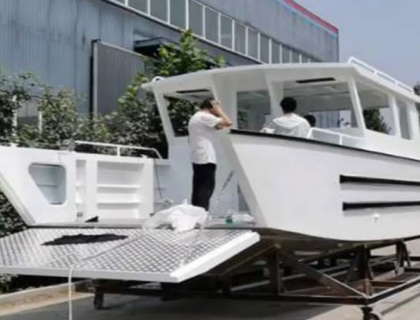
Consider the environment where the landing craft will be used. If you plan to use the craft in saltwater, it will need to be resistant to corrosion. Similarly, if you are operating in rough seas, you will need a more robust hull design and powerful engine.
· Saltwater Resistance: For coastal and offshore operations, the craft should be built with materials resistant to saltwater corrosion.
· Shallow Water Capabilities: If operating in shallow waters, a flat-bottomed or air-cushion craft will provide better maneuverability and safety.
· Weather Conditions: Evaluate how the landing craft will perform in harsh weather, including high winds and large waves.
A landing craft is a long-term investment, and regular maintenance is essential for ensuring its continued performance. Some landing crafts are easier to maintain than others. For example, aluminum hulls are corrosion-resistant and require less maintenance than steel hulls. Additionally, consider the availability of spare parts and service centers when purchasing a landing craft.
Make sure to ask the manufacturer about the recommended maintenance schedule and whether the craft comes with a warranty or service agreement.
Type | Primary Use | Capacity | Speed | Ideal Environment |
LCAC | Military, Heavy Equipment | High | Fast | Shallow waters, Intertidal |
LCT | Military, Cargo Transport | Very High | Medium | Rough seas, Open waters |
LCVP | Personnel, Small Cargo | Medium | Fast | Coastal Areas, Calm Seas |
Barge-Type | Heavy Cargo, Construction | Very High | Slow | Shallow waters, Calm Seas |
Hovercraft | Multi-Terrain Operations | Variable | Fast | Shallow waters, Land & Ice |
Purchasing a landing craft is a significant decision that can have long-term implications for your operations. By considering factors like size, hull design, engine power, and safety features, you can select a craft that meets your specific needs. Whether you need a craft for military, commercial, or recreational purposes, understanding the different types of landing crafts available and their unique features is essential.
At Shandong AllsealionBoat Co., Ltd., we offer a wide range of landing crafts designed to suit various operational needs. Our team is committed to providing high-quality products and expert advice to help you choose the right vessel for your operations. Feel free to contact us for more information or to discuss your specific requirements.
The LCAC (Landing Craft Air Cushion) is the best option for shallow waters, as it uses air cushions to travel over various terrains, including sand and mud.
The engine power should be selected based on the size of the craft and the weight of the cargo it will carry. Larger crafts or those with heavy cargo require more powerful engines.
Yes, but you should select a craft that is built with corrosion-resistant materials, such as aluminum or specially treated steel, for saltwater environments.
Maintenance includes regular inspections of the hull, engine, and safety equipment. Depending on the material of the hull, additional corrosion protection and servicing may be required.


