

close
Choose Your Site
Global
Social Media


Views: 0 Author: Site Editor Publish Time: 2026-04-24 Origin: Site


Landing crafts are essential vessels in a variety of industries, especially in defense, rescue operations, and transport. Their design allows them to land on shorelines, making them invaluable for amphibious operations and cargo transport. However, like all mechanical equipment, landing crafts require proper maintenance to ensure they remain functional and safe over extended periods. In this article, we will explore the essential maintenance practices required to keep landing crafts in peak condition for long-term use.
Landing crafts are exposed to harsh environments, including saltwater, sand, and extreme weather conditions. Without regular maintenance, even the smallest issues can lead to catastrophic failures, resulting in expensive repairs, delayed operations, or even accidents. Therefore, regular and thorough inspections and maintenance are critical to ensure that these vessels remain operational when needed most.
Landing craft maintenance is not just about cleaning and oiling; it involves a detailed checklist that should be followed rigorously to ensure that every aspect of the vessel is checked, repaired, and replaced when necessary. Proper care can significantly extend the lifespan of the landing craft, improve its performance, and enhance its safety for users.
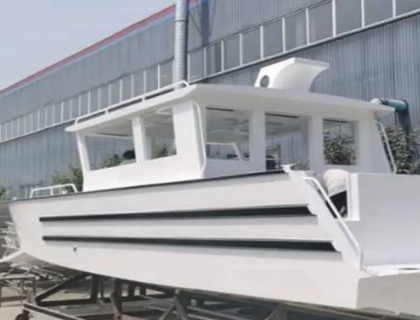
Landing crafts are robust vessels designed for challenging environments, often navigating through rough waters and operating in diverse conditions. To ensure that these crafts function effectively, long-term maintenance is essential. In this section, we will explore the key components of a landing craft that require regular inspection and upkeep. These components include the hull, engine, steering mechanism, propellers, electrical systems, and safety equipment.
Understanding the importance of each part and ensuring proper care will significantly enhance the longevity and performance of the landing craft. Let’s delve into each of these components and the necessary maintenance tasks associated with them.
The hull is the core of any landing craft, providing structural integrity and safety. Being constantly exposed to the harsh environment of saltwater, friction from the shore, and the impacts of waves, the hull is especially vulnerable to wear and tear. To maintain the hull’s functionality and longevity, regular inspections and maintenance are essential.
Key tasks include:
· Inspect the Hull for Cracks, Dents, and Corrosion: Regularly check for visible signs of cracks, dents, and corrosion. Corrosion caused by saltwater is a common issue and can compromise the strength of the hull. It's essential to address these issues promptly.
· Remove Marine Growth: Barnacles, algae, and other marine organisms can build up on the hull over time. These growths not only affect the boat's speed but can also lead to corrosion if left untreated. Regularly cleaning the hull to remove these growths is necessary.
· Apply Anti-Corrosive Coatings: To protect the hull from rust, it's important to apply anti-corrosive coatings regularly. This will help to preserve the hull material and ensure that it remains durable for long-term use.
· Check Watertight Integrity: Ensuring the watertight integrity of the hull is crucial. Inspect seals and joints, ensuring no leaks. Seal any cracks or gaps immediately to avoid water ingress during operations.
The engine is the heart of any vessel, including landing crafts. Regular engine maintenance ensures that the craft runs smoothly and is ready for use at any time. For long-term use, the following tasks should be included in your engine maintenance checklist:
· Change the oil and replace the oil filter as per the manufacturer's recommendation.
· Check the coolant levels and replenish as needed.
· Inspect the belts and hoses for wear and tear.
· Test the engine performance under load and ensure proper power delivery.
· Clean and replace fuel filters as necessary.
The steering mechanism and propeller systems are critical for navigation. Over time, the components of the steering system may wear out, and the propellers can become damaged due to debris or corrosion. Regular maintenance should include the following checks:
· Inspect the rudder and steering cables for proper functionality.
· Lubricate the steering mechanism to avoid stiffness or failure.
· Examine the propellers for damage, dents, or cracks.
· Clean the propellers and ensure that they rotate freely.
A landing craft’s electrical systems power critical components, including navigation lights, communications, and propulsion. Electrical failures can result in safety hazards and operational delays. Regular checks on the following systems are essential:
· Inspect and clean the battery terminals.
· Ensure all electrical connections are secure and free of corrosion.
· Check the fuses and replace any that are blown.
· Test the functionality of all lighting and communication systems.
· Ensure the alternator is charging the battery properly.
Safety is paramount when operating any vessel, especially a landing craft. Regular maintenance of safety equipment ensures that the craft is ready for emergency situations. Important safety equipment checks should include:
· Inspect life jackets, life rafts, and other flotation devices.
· Check the fire extinguishers for proper charge.
· Verify that distress signals and emergency lighting are functional.
· Test the bilge pumps and ensure they are clear of debris.
When a landing craft is not in use for an extended period, such as during the off-season, it’s essential to conduct long-term storage maintenance. Proper storage will prevent unnecessary damage from environmental factors and ensure the craft is ready for use when needed again.
· Clean the entire vessel before storage to remove dirt, algae, and debris.
· Store the landing craft in a dry and sheltered location to prevent corrosion.
· Remove the battery to prevent discharge and store it in a cool place.
· Inspect all critical systems before recommissioning after a long break.
Apart from routine maintenance tasks, it is crucial to maintain a record of all inspections, repairs, and replacements. This documentation helps track the condition of the landing craft and ensures that any recurring issues are addressed. Regular inspections should be done based on the manufacturer’s recommendations or at least twice a year. Record all findings and follow up with necessary repairs.
To make the process easier, here is a maintenance checklist that can be used for regular landing craft inspections and upkeep:
Component | Maintenance Task | Frequency |
Hull | Inspect for cracks, corrosion, and barnacle growth. | Monthly |
Apply anti-corrosive coatings. | Annually | |
Engine | Change oil and replace filters. | Every 100 hours |
Check belts, hoses, and coolant levels. | Every 50 hours | |
Steering System | Inspect and lubricate rudder and steering cables. | Every 6 months |
Propellers | Inspect for damage, clean, and lubricate. | Every 6 months |
Electrical Systems | Test battery, clean terminals, check fuses, and inspect lights. | Quarterly |
Safety Equipment | Inspect life jackets, fire extinguishers, and distress signals. | Annually |
Storage Preparation | Clean and store the vessel, remove battery, and check all systems. | At the end of season |
In addition to regular maintenance, several best practices can help prolong the life of your landing craft. These include:
· Regular Operation: Keep the vessel running periodically, even during downtime, to ensure the engine remains in good condition.
· Proper Cleaning: Clean all components, especially the hull and propellers, after every trip to remove saltwater residue and debris.
· Monitoring Performance: Keep an eye on the performance of critical systems, such as the engine and electrical systems, to catch any issues early.
By following these best practices, you can ensure that your landing craft remains in excellent condition for years to come, minimizing repair costs and enhancing overall performance.
Maintaining a landing craft for long-term use requires regular inspections, attention to detail, and adherence to a strict maintenance schedule. Whether it's the hull, engine, steering system, or safety equipment, every part of the vessel plays a vital role in its overall performance. By following the checklist and best practices outlined in this article, you can ensure that your landing craft remains safe, reliable, and ready for action whenever it’s needed.
If you are looking for more information on landing craft maintenance, or if you need expert advice and services to ensure your vessel is in peak condition, feel free to contact Shandong AllsealionBoat Co., Ltd. They specialize in manufacturing and maintaining high-quality landing crafts for long-term use. Their expertise ensures that your landing craft will continue to operate efficiently for years to come.
1. How often should I inspect my landing craft’s hull?
It is recommended to inspect the hull monthly for any signs of damage, corrosion, or growth like barnacles. Annual maintenance should also include anti-corrosive coatings.
2. What is the best way to prevent engine failure on a landing craft?
Regularly changing the oil, checking coolant levels, and inspecting belts and hoses can prevent engine failure. Ensuring the engine is in good running condition after every trip is essential.
3. How do I store a landing craft for long periods?
Clean the vessel, remove the battery, and store it in a dry, sheltered location. Perform a final inspection before storage to ensure all systems are intact.
4. Can regular maintenance extend the life of my landing craft?
Yes, following a regular maintenance schedule will extend the lifespan of your landing craft, reduce repair costs, and ensure optimal performance.


