

close
Choose Your Site
Global
Social Media


Views: 0 Author: Site Editor Publish Time: 2025-11-27 Origin: Site


In today’s world of water transportation, whether it be for commuting, tourism, or ferry services, the demand for durable, cost-effective, and low-maintenance vessels is higher than ever. This is where the monohull aluminum passenger boat stands out as an excellent choice. If you’re looking to enhance your fleet with a reliable, versatile, and long-lasting vessel, investing in a monohull aluminum passenger boat could be one of the best decisions you make. This article will explore why this type of boat is an ideal option for your fleet, highlighting its unique advantages and how it can meet the various demands of passenger transport.
A monohull aluminum passenger boat refers to a single-hull boat constructed primarily from aluminum, designed to carry passengers over water. The term “monohull” indicates a single hull structure, as opposed to multi-hull designs like catamarans. Aluminum, as the primary material for these boats, provides several benefits that make them a top choice for commercial use.
Monohull aluminum boats are known for their strength, stability, and ability to handle various water conditions, from calm lakes to rougher seas. The use of aluminum makes these boats light, durable, and highly resistant to corrosion, which is crucial for boats used in saltwater environments. When compared to other common types of passenger boats, such as fiberglass boats, catamarans, or pontoon boats, the monohull aluminum passenger boat offers a distinct blend of performance and cost-efficiency.
Strength-to-weight ratio & lightweight
One of the key reasons for choosing aluminum in boat construction is its excellent strength-to-weight ratio. Aluminum is significantly lighter than other materials like steel or fiberglass, typically weighing 30–40% less. This weight reduction translates into several operational benefits: lower fuel consumption, reduced engine power requirements, and improved acceleration, all of which are vital for boats used in high-frequency passenger transport or tourism services.
Durability and impact resistance
Aluminum boats are known for their toughness. They are capable of withstanding impacts, especially in shallow waters or when running into obstacles like rocks or debris. The aluminum structure absorbs the shock of collisions better than fiberglass, and repairs are relatively simple and cost-effective. This durability makes monohull aluminum passenger boats a great choice for businesses in regions where boats face frequent wear and tear from rough waters or high-volume use.
Corrosion and environmental resistance
Aluminum is naturally resistant to corrosion, particularly in saltwater environments, unlike steel, which rusts over time. Additionally, aluminum boats are not affected by UV degradation like fiberglass boats. These qualities ensure that your monohull aluminum passenger boat will last much longer with minimal maintenance, even when exposed to harsh weather conditions. This durability is a key selling point for businesses operating in coastal or tropical areas where boats are constantly exposed to saltwater, sun, and rain.
Low maintenance & long lifespan
Compared to fiberglass boats that require regular waxing, gel-coat maintenance, and the occasional hull repair, aluminum boats are much easier to maintain. A monohull aluminum passenger boat simply requires periodic cleaning and inspections. Its ability to resist corrosion and degradation means fewer repairs and longer lifespans, reducing overall maintenance costs. This is an especially important consideration for commercial fleets where reducing operational expenses is crucial.
Fuel efficiency & cost savings
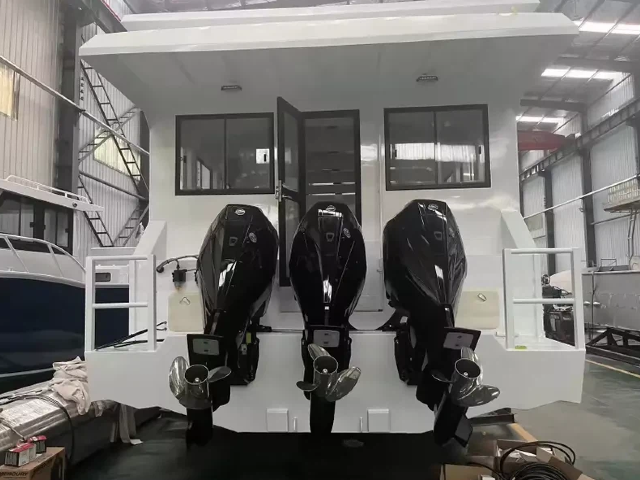
The lighter weight of monohull aluminum passenger boats allows them to be more fuel-efficient. They require smaller engines compared to steel or fiberglass boats of the same size, resulting in lower fuel consumption and operational costs. This makes them particularly suitable for commuter services, ferry operations, or tourism companies that operate their vessels frequently over long distances.
Higher payload and capacity potential
Since aluminum boats are lighter than fiberglass or steel counterparts, they can accommodate a larger payload or more passengers without exceeding weight limits. This is crucial for passenger transport operations, where maximizing capacity can lead to higher profitability. The monohull aluminum passenger boat, like the 15m x 4m model, strikes the perfect balance between spaciousness and efficiency, making it a great option for commercial passenger transport, especially in busy ports or tourist destinations.
Faster deployment and easier handling/trailering
Another advantage of the lightweight nature of aluminum boats is that they are easier to trailer and deploy. For companies that need to transport boats between different locations, whether for maintenance or seasonal use, a monohull aluminum passenger boat is ideal due to its portability. This ease of handling makes aluminum boats a popular choice for companies with fleets that require frequent relocation or operation in multiple areas.
Aluminum’s versatility allows for a high degree of customization in terms of boat layout, design, and features. Unlike fiberglass, which requires molds, aluminum can be welded and shaped to meet the specific needs of the operator.
For passenger transport services, this means the ability to design boats that maximize comfort and safety. You can adjust the seating arrangement, provide ample cargo space for luggage, or even customize the boat’s interior to accommodate specific passenger needs, such as offering air conditioning or creating space for wheelchairs. Additionally, aluminum allows for modifications to be made in the field, should the requirements of the operation change over time.
The 15m x 4m monohull aluminum passenger boat is an excellent example of this flexibility. Its design can be easily modified to fit different customer needs, whether that’s a more spacious layout for sightseeing tours or additional safety features for ferry services.
While fiberglass and steel boats have their advantages, they also have significant drawbacks when compared to aluminum boats.
Fiberglass drawbacks
Fiberglass boats are typically heavier than aluminum boats, which leads to higher fuel consumption and reduced efficiency. Additionally, fiberglass boats require more maintenance, including regular waxing, repairs to gel coats, and concerns about UV degradation. These factors make fiberglass boats less ideal for commercial operations, where long-term durability and low maintenance are crucial.
Steel boats drawbacks
Although steel boats offer superior strength, they are much heavier than aluminum boats, which leads to higher operational costs. The added weight results in greater fuel consumption and more powerful engines required for operation. Steel boats also require frequent maintenance to prevent rust and corrosion, adding to long-term costs. In contrast, monohull aluminum passenger boats provide the best balance of durability, cost-efficiency, and ease of use.
Aluminum’s balance
The main advantage of monohull aluminum passenger boats is their balance of durability, lightness, cost, and ease of maintenance. For commercial operators, this balance makes them the most cost-effective option, especially when compared to steel or fiberglass boats. They are strong enough to handle rough conditions while remaining easy to maintain and operate at a lower cost.
The monohull aluminum passenger boat is an ideal vessel for businesses looking to optimize their fleet with a durable, cost-efficient, and low-maintenance option. Whether you're operating a ferry, a sightseeing tour, or a commuter service, these boats offer the perfect combination of lightweight construction, high durability, and excellent fuel efficiency. With the added benefits of customization and easy handling, the monohull aluminum passenger boat proves to be an investment that pays off in the long term.
For more information on how a monohull aluminum passenger boat can elevate your fleet, contact us today. We provide a variety of high-quality boats tailored to meet your operational needs.
What makes a monohull aluminum passenger boat more efficient than other boat types?
Monohull aluminum boats are lighter and require smaller engines, which results in better fuel efficiency and lower operating costs.
How durable are monohull aluminum passenger boats in rough conditions?
These boats are highly resistant to corrosion, impact, and UV degradation, making them ideal for commercial use in various water conditions.
Can I customize my monohull aluminum passenger boat to suit my needs?
Yes, aluminum boats offer high customization flexibility in terms of layout, seating, cargo space, and safety features to match specific operational requirements.
Why should I choose a monohull aluminum passenger boat over fiberglass or steel boats?
Aluminum boats provide the perfect balance of lightness, strength, and cost-efficiency, unlike fiberglass and steel boats that tend to be heavier and require more maintenance.


