

close
Choose Your Site
Global
Social Media


Views: 216 Author: Site Editor Publish Time: 2025-12-23 Origin: Site


When it comes to marine vessels, landing crafts with cabins represent a versatile solution for various industries, from military operations to coastal navigation. These high-capacity crafts are designed to handle demanding conditions, offering a stable and secure platform for transporting both personnel and goods. Whether you're looking for a durable, high-performance craft for marine use or need a specialized vessel for coastal navigation, understanding the unique features of landing crafts with cabins is essential. In this article, we will delve deep into the characteristics, applications, benefits, and considerations of these vessels to help you make an informed decision.
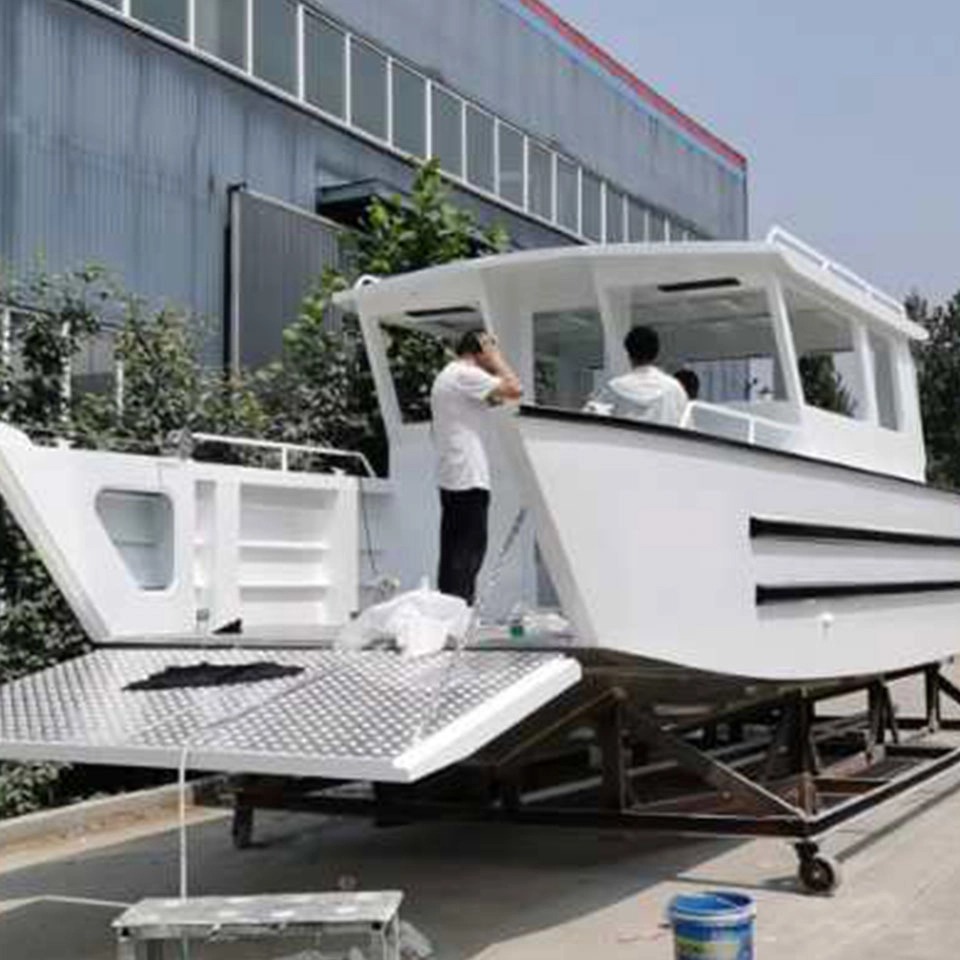
A landing craft with cabin is a type of amphibious vessel designed to transport goods and passengers to shore, often in locations where other types of boats may struggle. Unlike traditional landing crafts, which typically feature open decks, these crafts are equipped with a cabin that provides shelter and protection from the elements. The cabin may offer space for the crew, equipment, and sometimes passengers, making it a more versatile and comfortable option for various marine operations.
These crafts are generally built for heavy-duty tasks, such as transporting goods or people across rough waters, navigating shallow waters, and landing on beaches or docks without the need for a pier. The design is intended for a variety of applications, including rescue operations, military landings, and even commercial transport.

A landing craft with cabin is built to last. These vessels are constructed using durable materials designed to withstand harsh marine environments. From corrosion-resistant hulls to robust engines, the craftsmanship behind these crafts ensures longevity and reliability, even under the most challenging conditions.
The inclusion of a cabin offers further protection, especially in regions with adverse weather conditions. It provides shelter for the crew, making it possible to operate in colder climates or during adverse weather, such as heavy rain or strong winds. Whether it’s a high-capacity, heavy-duty vessel for industrial uses or a professional design for military missions, the landing craft with cabin excels in providing both comfort and functionality.
One of the defining features of a landing craft with cabin is its high performance in marine environments. These crafts are engineered to navigate a variety of water conditions, from calm seas to rough waves, while maintaining stability and speed. The cabin is typically mounted above the waterline to ensure the craft can carry a high capacity of cargo or personnel without compromising the vessel’s ability to handle harsh conditions.
In addition, the hull design of these crafts allows them to operate in shallow waters, making them perfect for coastal navigation and operations in areas with varying depths. Their high-performance engines ensure fast, efficient transportation of goods and people.
Landing crafts with cabins are particularly useful in transporting goods across short distances, especially when access to traditional transportation infrastructure is limited. These vessels can navigate shallow waters, allowing them to deliver cargo to locations that may not have direct access to ports or piers. This makes them a valuable asset for industries that operate in remote or difficult-to-reach areas, including island communities and coastal industries.
The high capacity of landing crafts means they can carry large amounts of goods, whether it’s heavy equipment, construction materials, or supplies for research teams. Their professional-grade design ensures that cargo is delivered safely and efficiently, regardless of the challenges posed by the surrounding environment.
In military operations, landing crafts with cabins are often used to transport troops and equipment to shore during amphibious assaults or humanitarian missions. The durable construction of these crafts makes them well-suited for use in hostile or high-risk environments.
Similarly, rescue operations rely on the ability of these crafts to reach difficult-to-access coastal areas during natural disasters or emergencies. The heavy-duty capacity allows for the transportation of not just personnel but also life-saving equipment, making these vessels indispensable in critical situations.
The versatility of a landing craft with cabin lies in its ability to operate in both shallow and deeper waters. This flexibility makes it ideal for use in a wide range of marine operations, from coastal navigation to offshore missions. Whether you need to navigate calm waters or cross stormy seas, these crafts can be adapted to suit your specific needs.
The addition of a cabin increases the comfort and safety of both the crew and any passengers on board. During longer journeys, the cabin provides shelter from the weather, ensuring that crew members are not exposed to the elements. This feature is particularly important for operations in colder or more unpredictable climates.
Before purchasing a landing craft with cabin, there are several factors to consider. First, think about the specific tasks you plan to use the vessel for. Whether it's transporting goods, conducting rescue operations, or participating in military missions, the craft needs to be suited to the particular demands of your work.
Also, ensure that the engine performance, capacity, and construction material align with the environmental conditions in which the vessel will operate. High-performance marine use engines and heavy-duty construction are essential for reliable service, especially if you plan to operate in harsh or remote conditions.
To keep your landing craft with cabin in optimal condition, regular maintenance is key. This includes checking the engine, ensuring the hull remains free of damage or corrosion, and keeping the cabin in good repair. Regular cleaning and inspection of the engine, hull, and navigation systems will help prolong the life of your craft and ensure that it continues to operate at high performance.
Also, ensure that any safety equipment onboard is properly maintained. This includes life vests, emergency radios, and any other critical rescue equipment that could be used during operations.
As technology advances, landing crafts with cabins are becoming even more specialized. New designs are focusing on improving fuel efficiency, enhancing the comfort of the cabin, and increasing the craft's capacity and performance. Future landing crafts are likely to be more environmentally friendly, using cleaner fuels and more sustainable materials for construction.
A landing craft with cabin is an essential vessel for anyone involved in marine transportation, whether you're in the military, working in remote regions, or operating along coastal areas. Their professional design, high performance, and heavy-duty capacity make them ideal for transporting goods and personnel across various marine environments. With the ability to navigate shallow waters and endure tough conditions, these crafts offer a versatile, durable solution for many marine-based challenges.
Q: What makes a landing craft with cabin different from other landing crafts?
A: The key difference is the cabin, which provides shelter and protection from the elements. This makes the craft more comfortable and suitable for longer journeys or operations in harsh conditions.
Q: Can a landing craft with cabin be used in military operations?
A: Yes, these crafts are often used in military amphibious assaults, troop transport, and rescue operations, thanks to their high capacity and durability.
Q: How do I maintain a landing craft with cabin?
A: Regular maintenance should include checking the engine, inspecting the hull for damage, cleaning the craft, and ensuring all safety equipment is operational.
Q: Are landing crafts with cabins suitable for transporting goods?
A: Absolutely. These vessels are often used for transporting goods, especially in areas with limited access to traditional transport infrastructure.


